Ester Hydrolysis MechanismsAlkaloids OverviewAlkaloid Structure MethodsStructure Elucidation of NicotineIntroduction to DrugsClassification of Drugs: PharmacodynamicsWhy Do We Take Paracetamol in Fever?Types of SolventsSustainable SolventsNucleophile and ElectrophileReactions of MaltoseFunctional GroupsSN1 and SN2 ReactionsGrignard ReagentE1 and E2 Elimination
Corrosion OverviewVSEPR TheoryBond Angle Deviations in VSEPRVSEPR Theory and Molecular PolarityLewis Structures, Formal Charge & ResonanceLewis Dot StructureSuperacids and Liquid AmmoniaTypes of ReactionsAdvanced Types of ReactionsPeriodic Trends (Periodicity)Hydrogen BondingRoasting and CalcinationRelativistic Effects in Heavy Metals
Ajanta Cave PaintingsChemical Principles of Food PreservationAncient Indian Methods of Food PreservationChemicals Used in Food PreservationHow were clothes dyed?Ancient Indian Glass and Ceramic TechnologyAncient Indian MetallurgyAncient Chemistry of Cosmetics & Perfumery
Conductometric Titration: Strong Acid vs. Strong BaseArrhenius EquationQuantum YieldStates of MatterWeston Standard CellElectrochemistry
Chemistry Studio
Functional Group ExplorerChemical Structure Editor

JAtone.

Notes & guides

Learn
Ester Hydrolysis MechanismsAlkaloids OverviewAlkaloid Structure MethodsStructure Elucidation of NicotineIntroduction to DrugsClassification of Drugs: PharmacodynamicsWhy Do We Take Paracetamol in Fever?Types of SolventsSustainable SolventsNucleophile and ElectrophileReactions of MaltoseFunctional GroupsSN1 and SN2 ReactionsGrignard ReagentE1 and E2 Elimination
Corrosion OverviewVSEPR TheoryBond Angle Deviations in VSEPRVSEPR Theory and Molecular PolarityLewis Structures, Formal Charge & ResonanceLewis Dot StructureSuperacids and Liquid AmmoniaTypes of ReactionsAdvanced Types of ReactionsPeriodic Trends (Periodicity)Hydrogen BondingRoasting and CalcinationRelativistic Effects in Heavy Metals
Ajanta Cave PaintingsChemical Principles of Food PreservationAncient Indian Methods of Food PreservationChemicals Used in Food PreservationHow were clothes dyed?Ancient Indian Glass and Ceramic TechnologyAncient Indian MetallurgyAncient Chemistry of Cosmetics & Perfumery
Conductometric Titration: Strong Acid vs. Strong BaseArrhenius EquationQuantum YieldStates of MatterWeston Standard CellElectrochemistry
Chemistry Studio
Functional Group ExplorerChemical Structure Editor

JAtone.

Notes & guides

Learn
J
JAtone
Homeancient chemistry
|

Ancient Indian Methods of Food Preservation — Traditional Techniques

  • Sun Drying: Dehydration reduces water activity (Sukha Karana)
  • Pickling: Osmosis, pH control, and antimicrobial spices (Achaar)
  • Salting & Sugaring: High osmotic pressure dehydrates microbes
  • Fermentation: Beneficial microbes produce lactic acid/alcohol
  • Smoking: Phenols and aldehydes provide antimicrobial protection
  • Ash & Sand Storage: Physical barrier and moisture control
  • Earthen Pot Storage: Evaporative cooling slows degradation
Sun Drying (Sukha Karana / Sookha Karna)Pickling (Achaar Making)Salting (Lavan Karana)Sugaring (Guda / Shakkar Preservation)FermentationSmokingAsh and Sand StorageEarthen Pot Storage (Matka Preservation)Oil LayeringUnderground Storage (Pit Preservation)
  • Ancient Indian food preservation refers to age-old methods developed to keep food edible, flavorful, and safe without the use of modern refrigeration or synthetic chemicals. These techniques relied on natural ingredients such as salt, sugar, oil, and spices.
  • Sun Drying (Sukha Karana / Sookha Karna)

  • Process: Food items are spread in direct sunlight to remove moisture.
  • Chemical Principle: Dehydration reduces water activity, creating an environment where microbes cannot grow.
  • Examples: Dried red chilies, Amchur, Papad, and Dried fish.
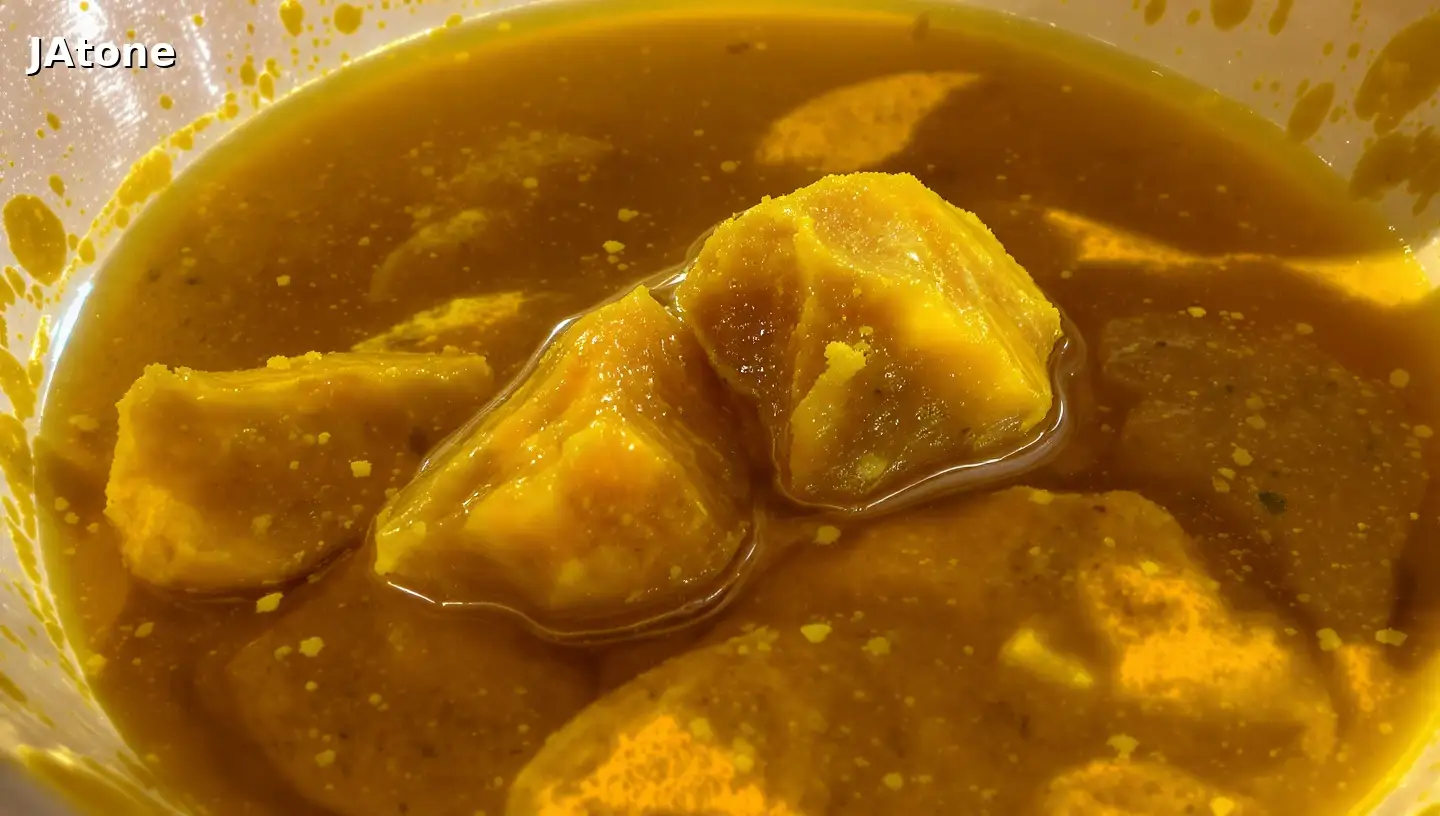
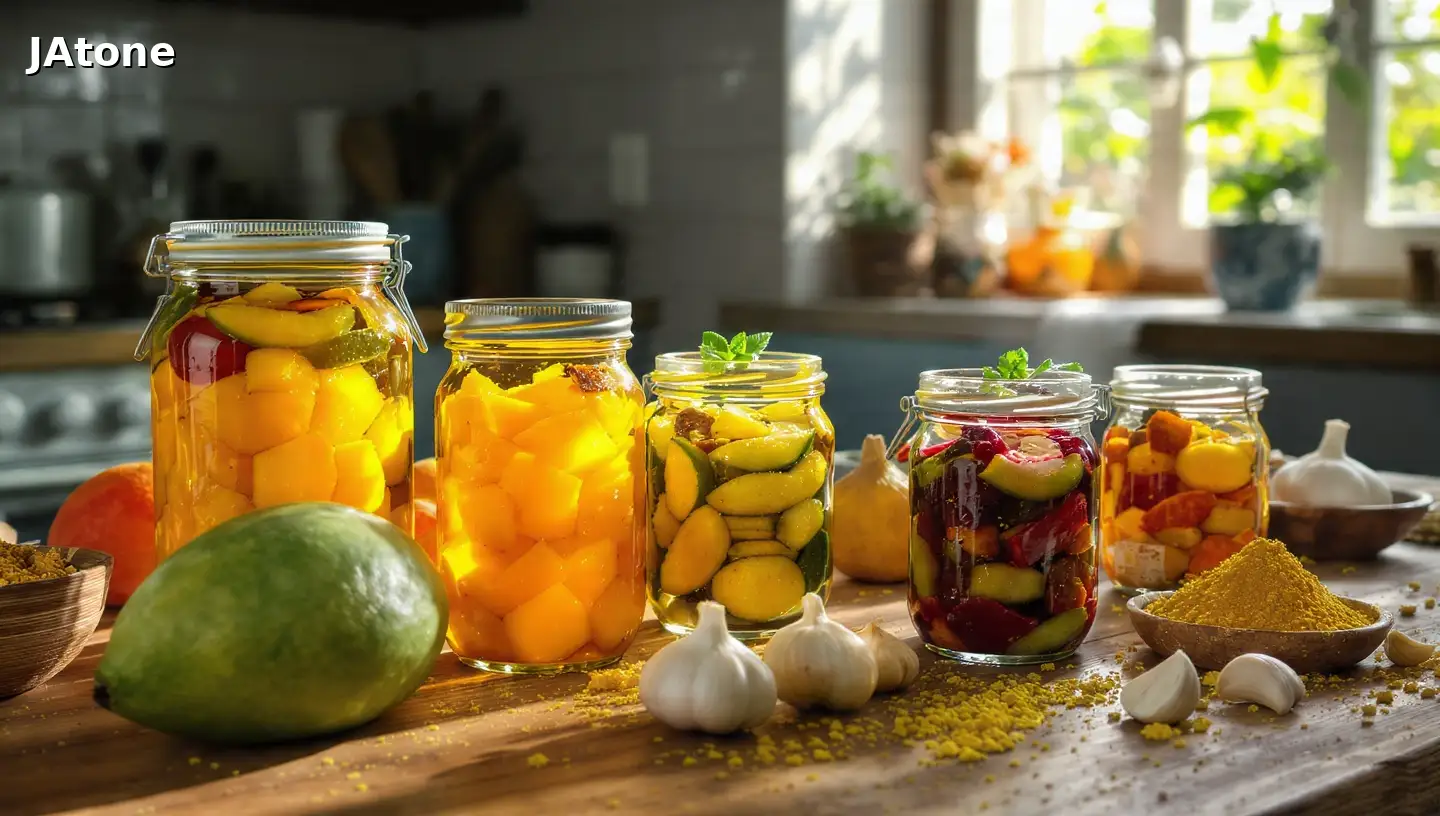
  • Pickling (Achaar Making)

  • Process: Preservation of vegetables, fruits, or meats in brine, vinegar, or oil mixed with spices.
  • Chemical Principle:
  • Salt causes osmotic dehydration of microbes.
  • Acids lower pH, inhibiting microbial enzymes.
  • Spices provide antimicrobial compounds.
  • Examples: Mango pickle, Lemon pickle, Garlic pickle.
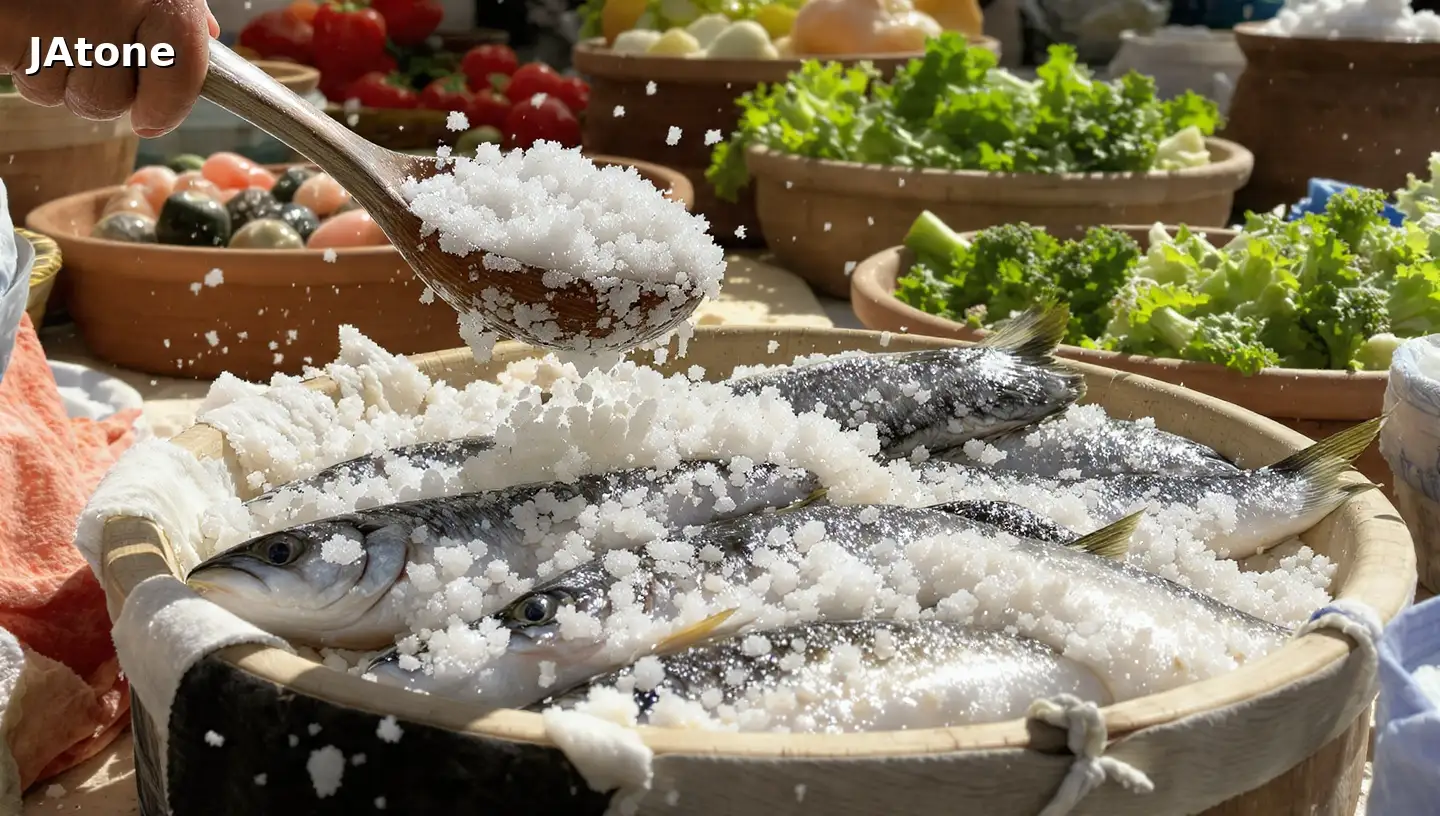
  • Salting (Lavan Karana)

  • Method: Food is coated with dry salt or soaked in brine.
  • Chemical Principle: Salt creates a hypertonic environment, drawing water out of microbial cells (plasmolysis).
  • Examples: Salted fish, Salted vegetables.
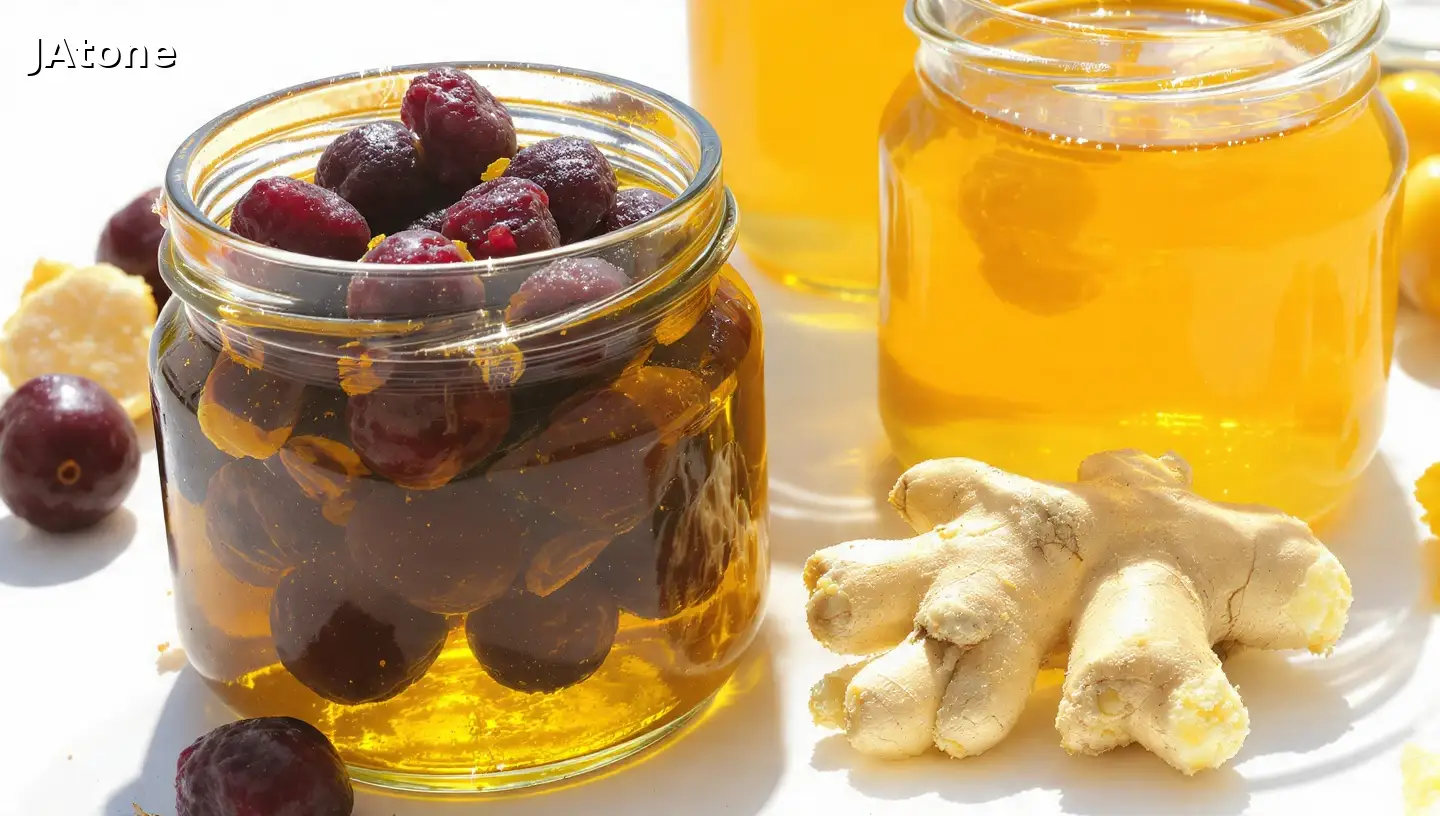
  • Sugaring (Guda / Shakkar Preservation)

  • Process: Food is immersed in concentrated sugar syrup or jaggery.
  • Chemical Principle: High sugar concentration creates osmotic pressure that dehydrates microbes, preventing spoilage.
  • Examples: Amla murabba, Candied gooseberry, Honey-preserved ginger.
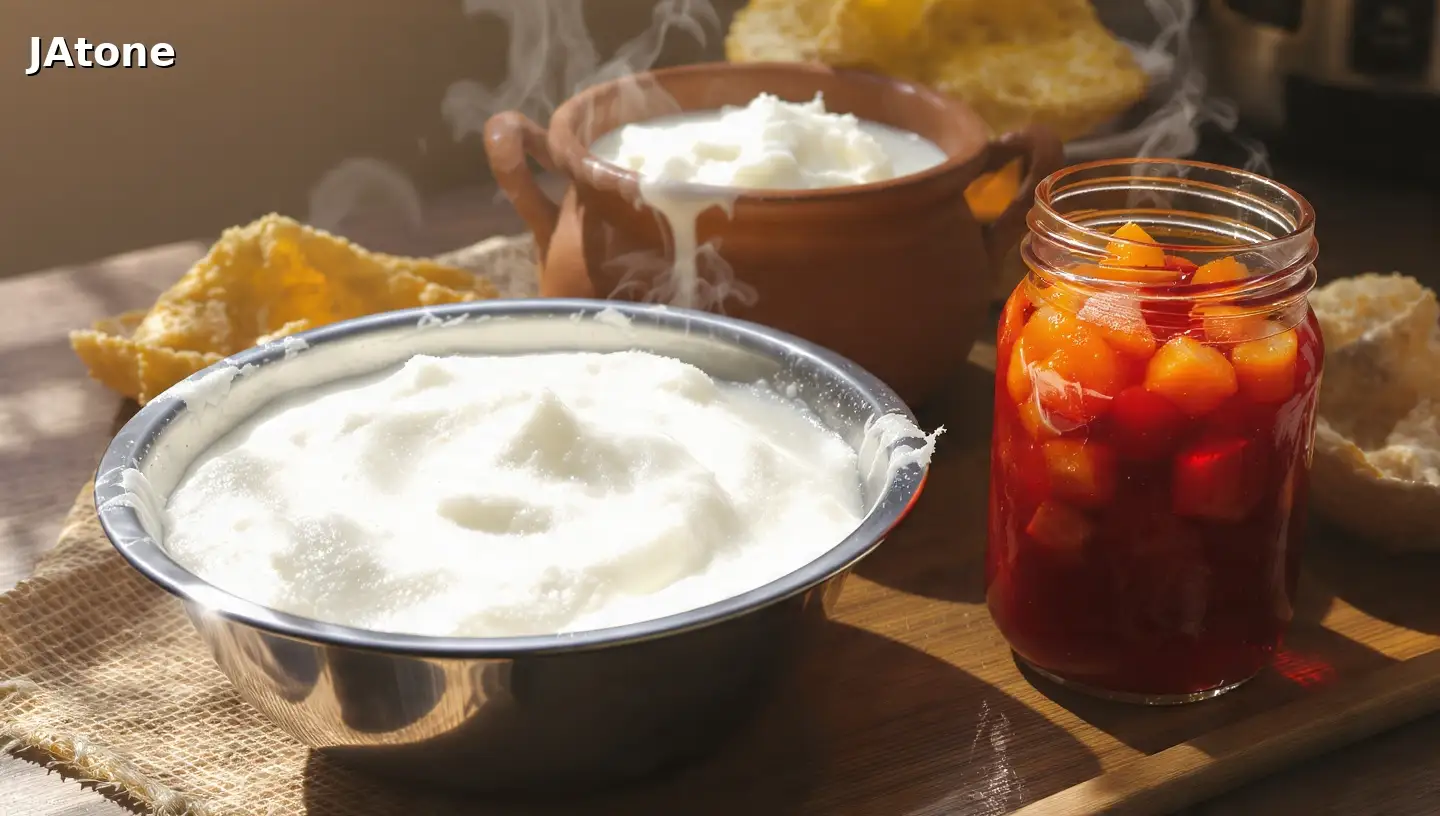
  • Fermentation

  • Process: Encouraging the growth of beneficial microbes to transform food.
  • Chemical Principle: Beneficial bacteria produce lactic acid and alcohol, which lower the pH of the food and prevent the growth of harmful bacteria.
  • Examples: Idli and Dosa batter, Curd, Kanji drink.
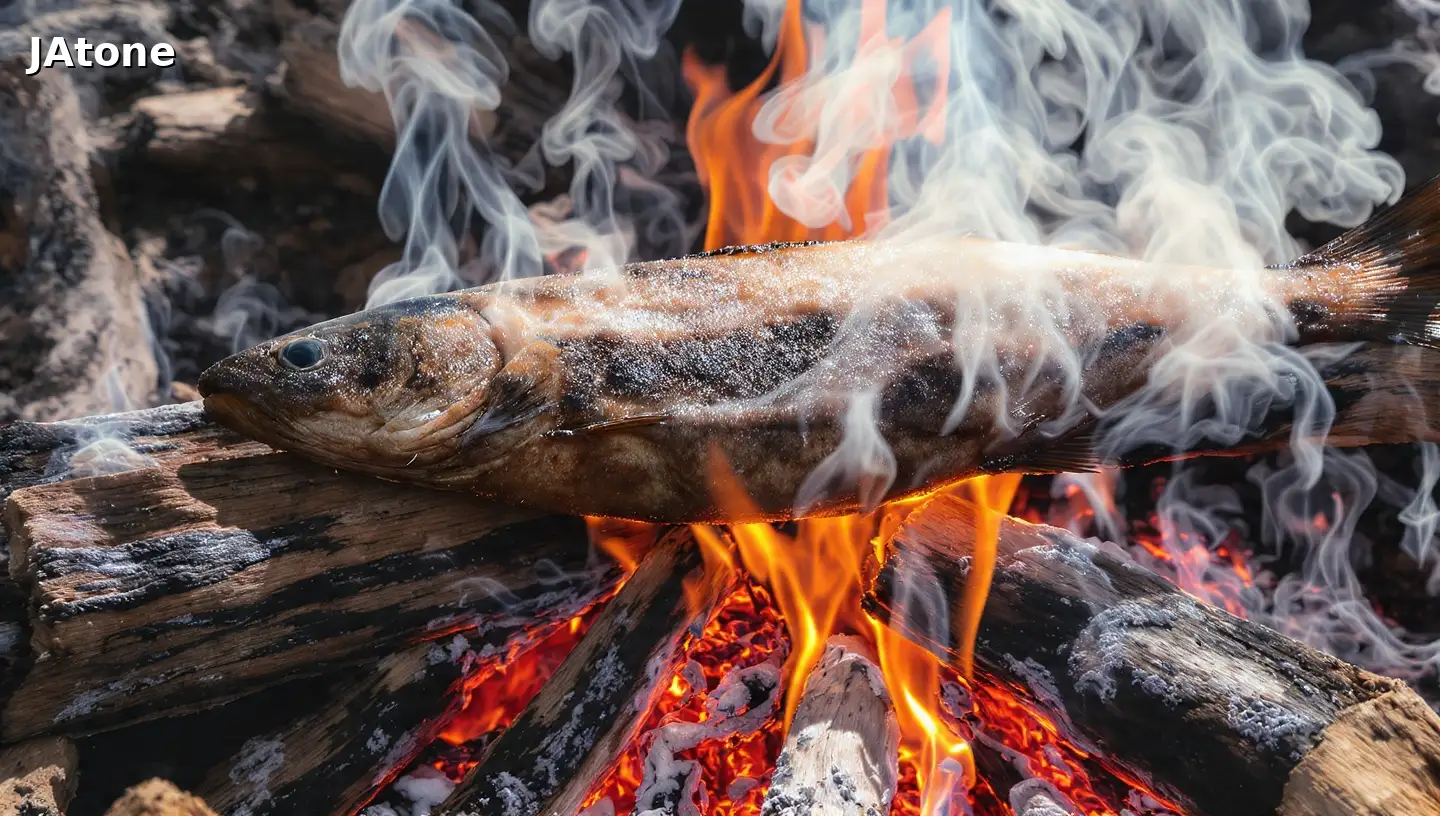
  • Smoking

  • Method: Food is exposed to smoke from burning wood or cow dung cakes.
  • Chemical Principle: Smoke contains phenols and aldehydes with antimicrobial properties and causes mild dehydration.
  • Examples: Smoked fish (Northeast India), Smoked meats (Himalayan regions).
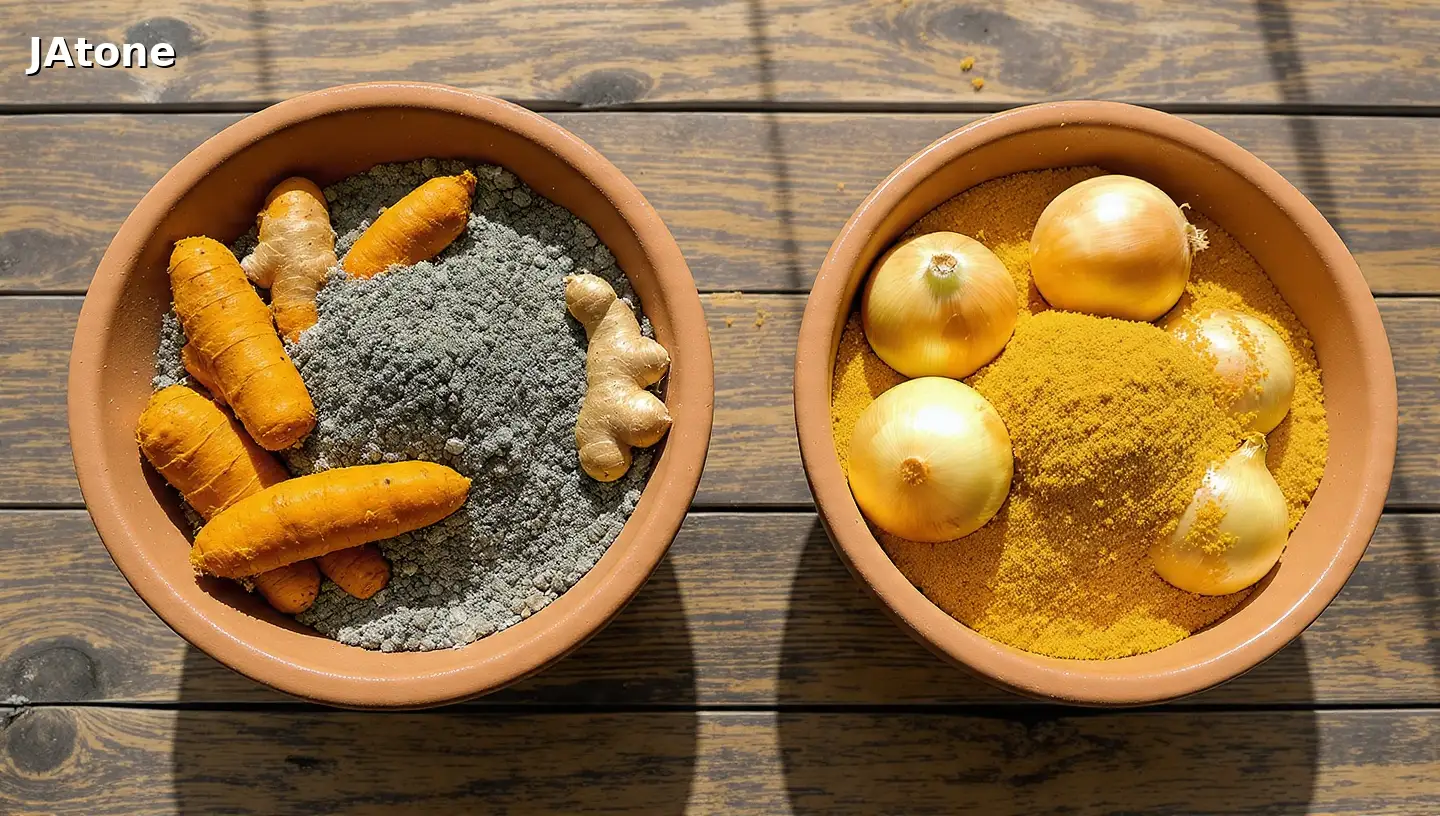
  • Ash and Sand Storage

  • Method: Root vegetables are buried in dry ash or sand.
  • Chemical Principle: Creates a dry physical barrier that maintains a pest-free environment and controls moisture.
  • Examples: Turmeric, Ginger, Onions, and Yams stored in ash.
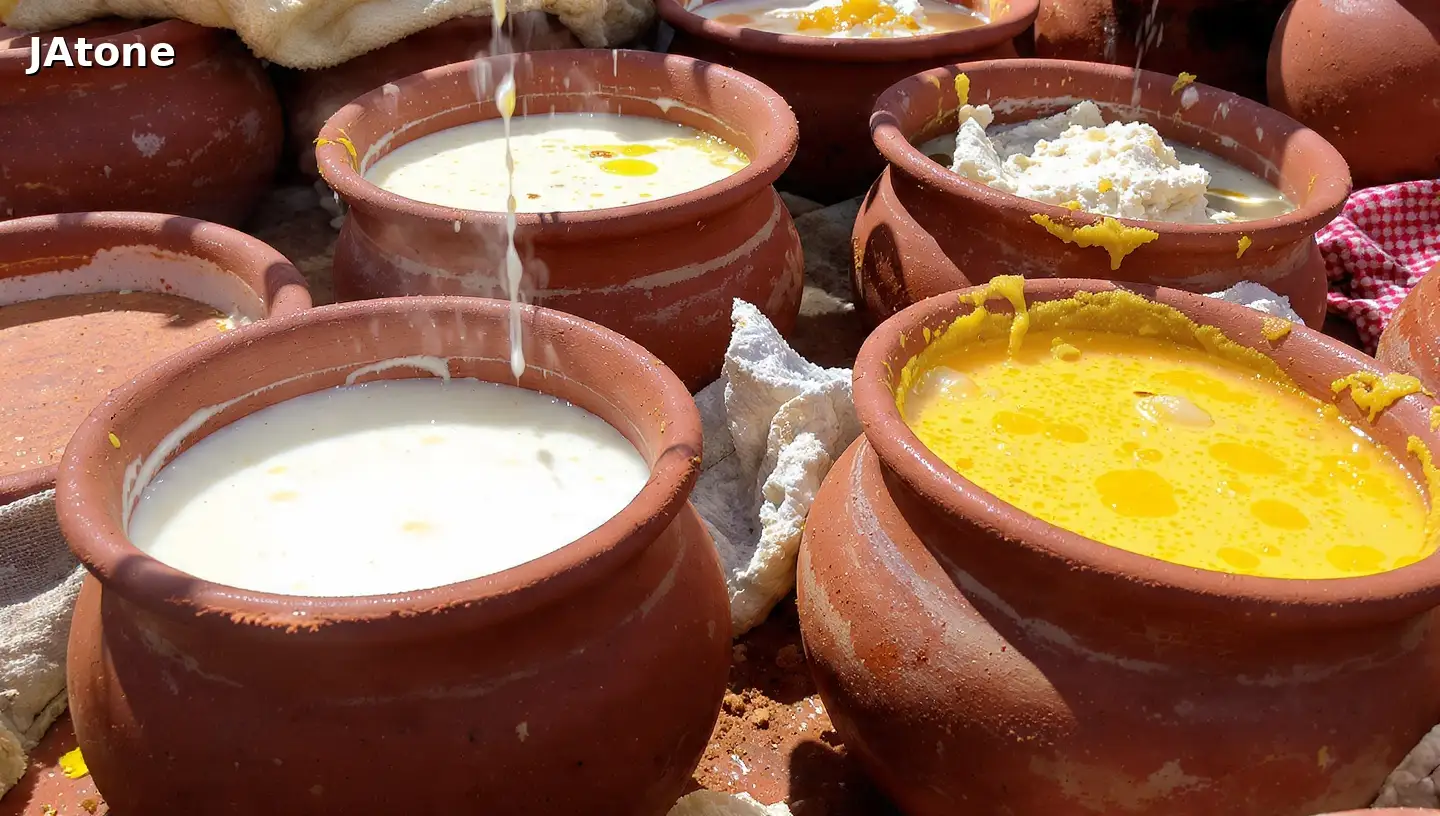
  • Earthen Pot Storage (Matka Preservation)

  • Process: Storing food in porous clay pots.
  • Chemical Principle: Evaporative cooling slows down enzymatic activity and microbial growth.
  • Examples: Storing buttermilk, curd, or ghee in earthen jars.
  • Oil Layering

  • Method: Food is stored under a layer of oil.
  • Chemical Principle: Oil forms an anaerobic barrier, preventing oxygen-dependent microbial growth.
  • Examples: Green chutney or pickles stored under mustard oil.
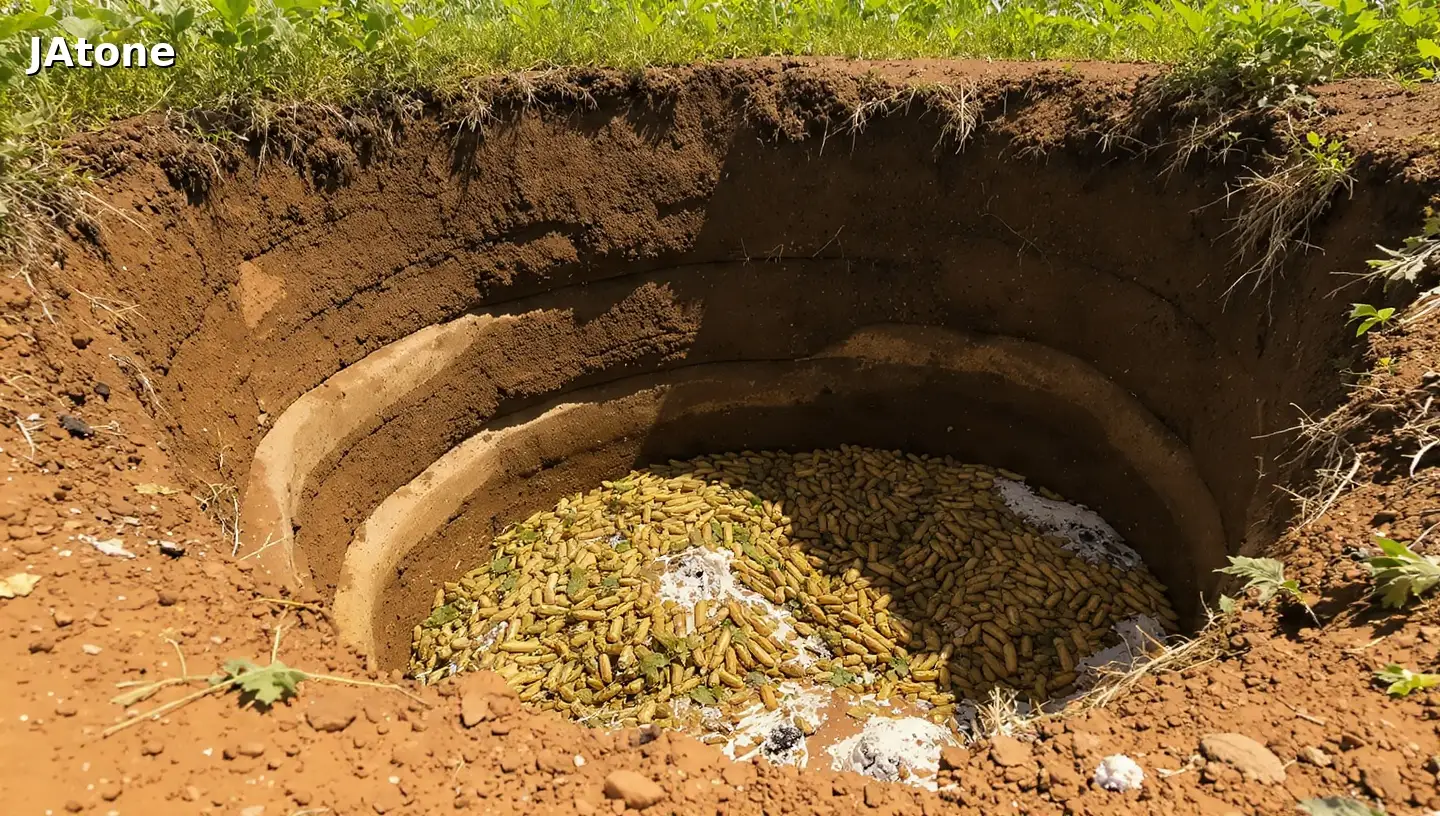
  • Underground Storage (Pit Preservation)

  • Method: Food is buried in pits lined with leaves or ash.
  • Chemical Principle: Stable low temperature and controlled humidity slow microbial and enzymatic activity.
  • Examples: Yams stored underground after harvest.
  • Read next →Chemical Principles of Food PreservationChemicals Used in Food Preservation
    • Sun Drying: Dehydration reduces water activity (Sukha Karana)
    • Pickling: Osmosis, pH control, and antimicrobial spices (Achaar)
    • Salting & Sugaring: High osmotic pressure dehydrates microbes
    • Fermentation: Beneficial microbes produce lactic acid/alcohol
    • Smoking: Phenols and aldehydes provide antimicrobial protection
    • Ash & Sand Storage: Physical barrier and moisture control
    • Earthen Pot Storage: Evaporative cooling slows degradation
    Contents
    Sun Drying (Sukha Karana / Sookha Karna)Pickling (Achaar Making)Salting (Lavan Karana)Sugaring (Guda / Shakkar Preservation)FermentationSmokingAsh and Sand StorageEarthen Pot Storage (Matka Preservation)Oil LayeringUnderground Storage (Pit Preservation)

    Available Files2

    These original educational materials were created by Juber Aktar for JAtone. They are hosted on Google Drive or Google Slides for convenient access. Any future advertising will remain outside this file list and separate from the Preview and Download controls.

    Ancient Indian Methods of Food Preservation (PPT)

    Presentation
    Ancient Chemistry
    PreviewDownload

    Ancient Indian Methods of Food Preservation (Study Notes) (PDF)

    PDF Document
    Ancient Chemistry
    PreviewDownload

    About Ancient Indian Methods of Food Preservation — Traditional Techniques

    Ancient Indian Methods of Food Preservation — Traditional Techniques is a fundamental concept in ancient chemistry. Understanding the mechanisms, reaction conditions, and stereo-chemical outcomes is crucial for mastering organic chemistry. Our curated resources provide step-by-step visualizations to help you excel.

    JAtone.
    JAtone.

    Premium, beautifully crafted visual guides and presentations for your academic journey. Let's grow together.

    STUDIO

    • About JAtone
    • Contact Us
    • Functional Group Explorer

    LEGAL

    • Privacy Policy
    • Terms of Service

    © 2026 JAtone. Cultivated for Students.

    PrivacyTerms
    Visual Collectiondrag to explore
    Sun Drying

    Sun Drying

    Food items spread in direct sunlight to remove moisture.

    Pickling
    Preservation of vegetables, fruits, or meats in brine, vinegar, or oil.
    Salting
    Food coated with dry salt or soaked in brine.
    Sugaring
    Immersed in concentrated sugar syrup or jaggery.
    Fermentation
    Growth of beneficial microbes to transform food.
    Smoking
    Exposed to smoke from burning wood or cow dung cakes.
    Ash and Sand Storage
    Root vegetables buried in dry ash or sand.
    Earthen Pot Storage
    Storing food in porous clay pots for evaporative cooling.
    Oil Layering
    Food stored under a layer of oil to form an anaerobic barrier.
    Underground Storage
    Food buried in pits lined with leaves or ash.

    SELF TEST

    Practice MCQs

    Question 1 / 4Score: 0

    How does the process of Sun Drying (Sukha Karana) preserve food?

    LEARNING SUPPORT

    Ancient
    Indian Methods of Food Preservation — Traditional Techniques FAQ

    Ash acts as a natural desiccant and an alkaline physical barrier. By burying root vegetables or grains in dry ash, it absorbs ambient moisture and prevents access by insects, rodents, and moisture-loving fungi.

    Mustard oil is poured over the top of pickles to create a dense, hydrophobic layer. This forms an anaerobic seal that prevents aerobic spoilage bacteria and mold from growing. The oil also contains its own natural antimicrobial compounds.

    The hot, arid climate across much of the Indian subcontinent made sun-drying a highly effective, zero-cost method. By laying food in the sun, moisture was rapidly evaporated (lowering water activity) to levels where microbes could no longer survive.