Chemical Principles of Food Preservation — Notes PDF
- Acidification (pH control): acids denature microbial enzymes
- Water activity (aᵥ) reduction: salt/sugar binds free water
- Osmotic pressure: hypertonic solution → plasmolysis of microbes
- Antioxidants (e.g., Vitamin C, turmeric) prevent oxidative rancidity
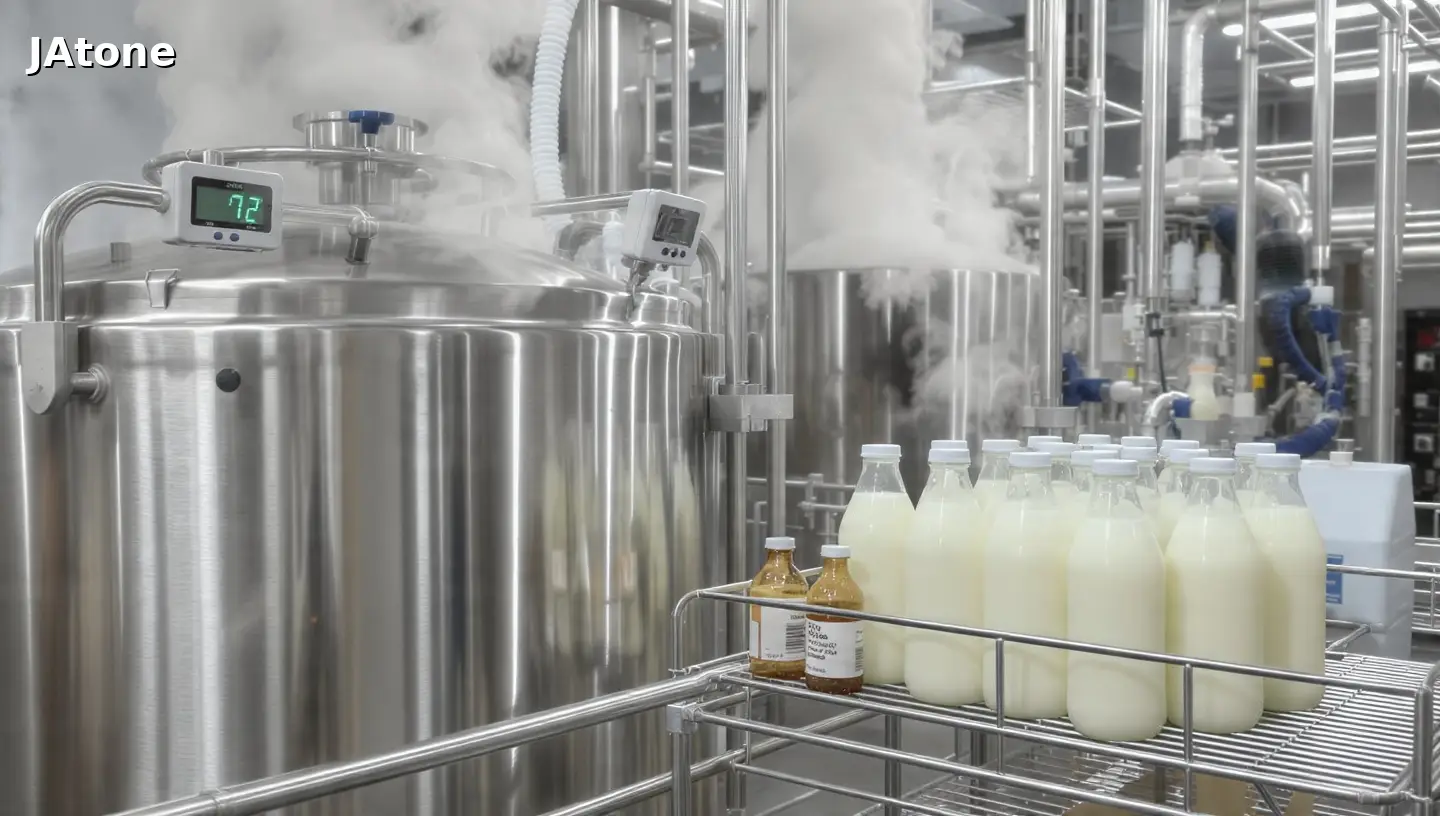
- Thermal inactivation: heat denatures proteins and enzymes
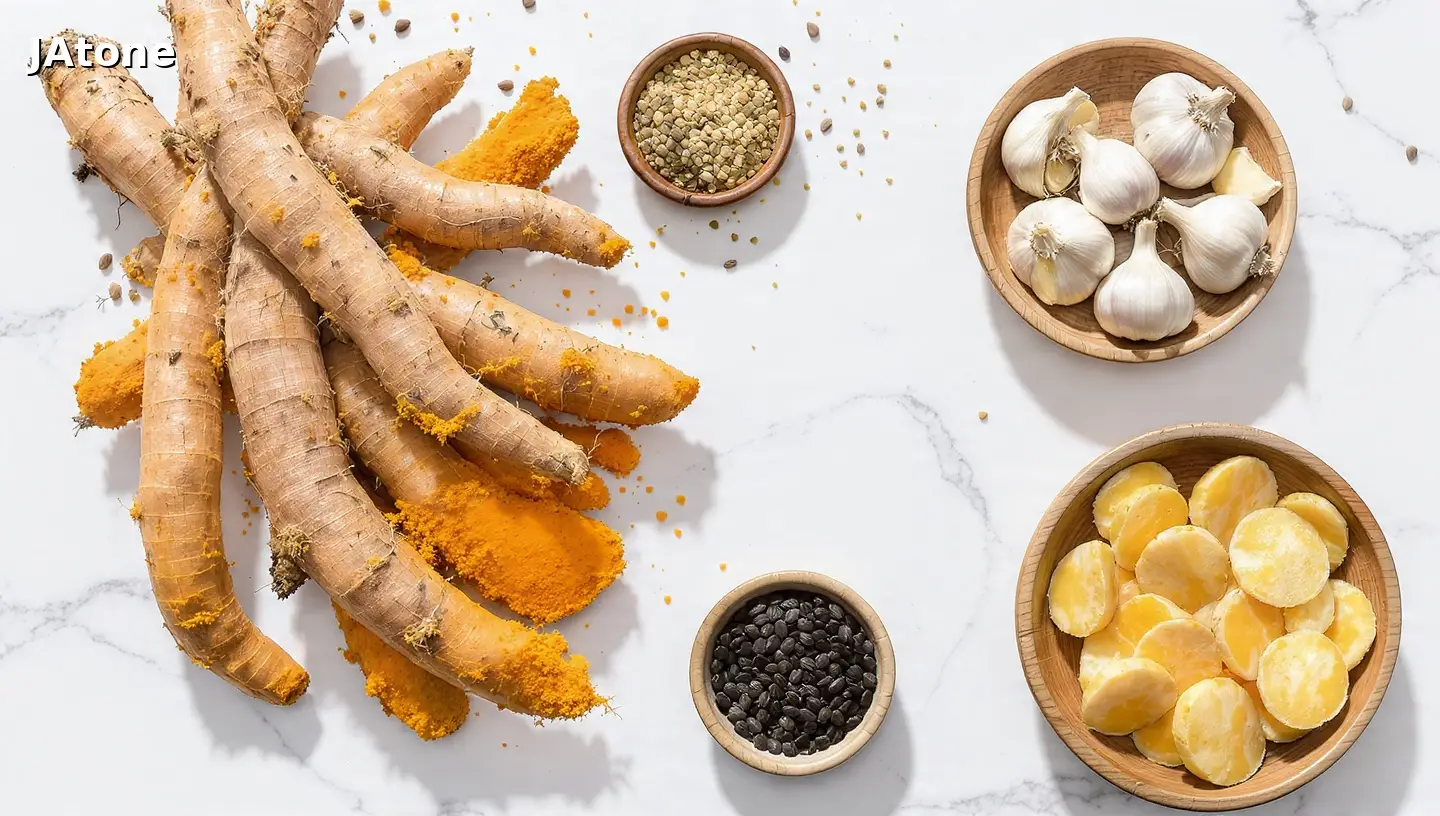
- Antimicrobials: curcumin, allicin, sorbates inhibit microbial growth
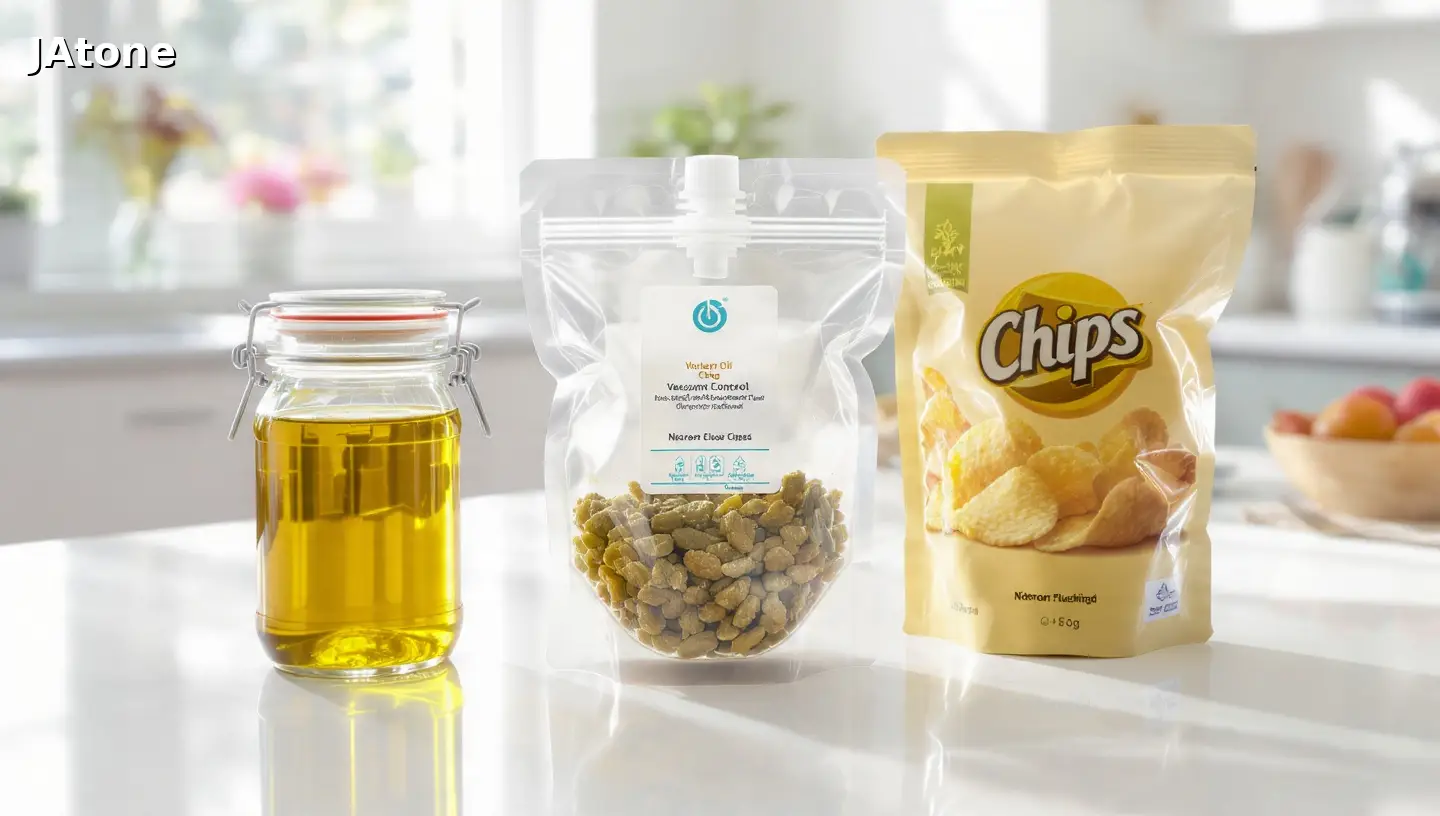
- Anaerobic conditions: oil layering, vacuum/MAP packaging
1. Definition of Food Preservation
From a chemical standpoint, food preservation is the practice of slowing down or stopping the rate of chemical and biological reactions that cause spoilage.
2. Chemical Principles Involved in Food Preservation
1. Control of pH (Acidification)
Examples:
2. Control of Water Activity (aᵥ)
Methods used:
Examples:
3. Osmotic Pressure
Examples:
4. Oxidation Control (Use of Antioxidants)
Examples:
5. Thermal and Chemical Inactivation
Examples:
6. Use of Antimicrobial Compounds
Examples:
7. Control of Oxygen Availability
Examples:
3. Summary Table
| Principle | Mechanism | Example |
|---|---|---|
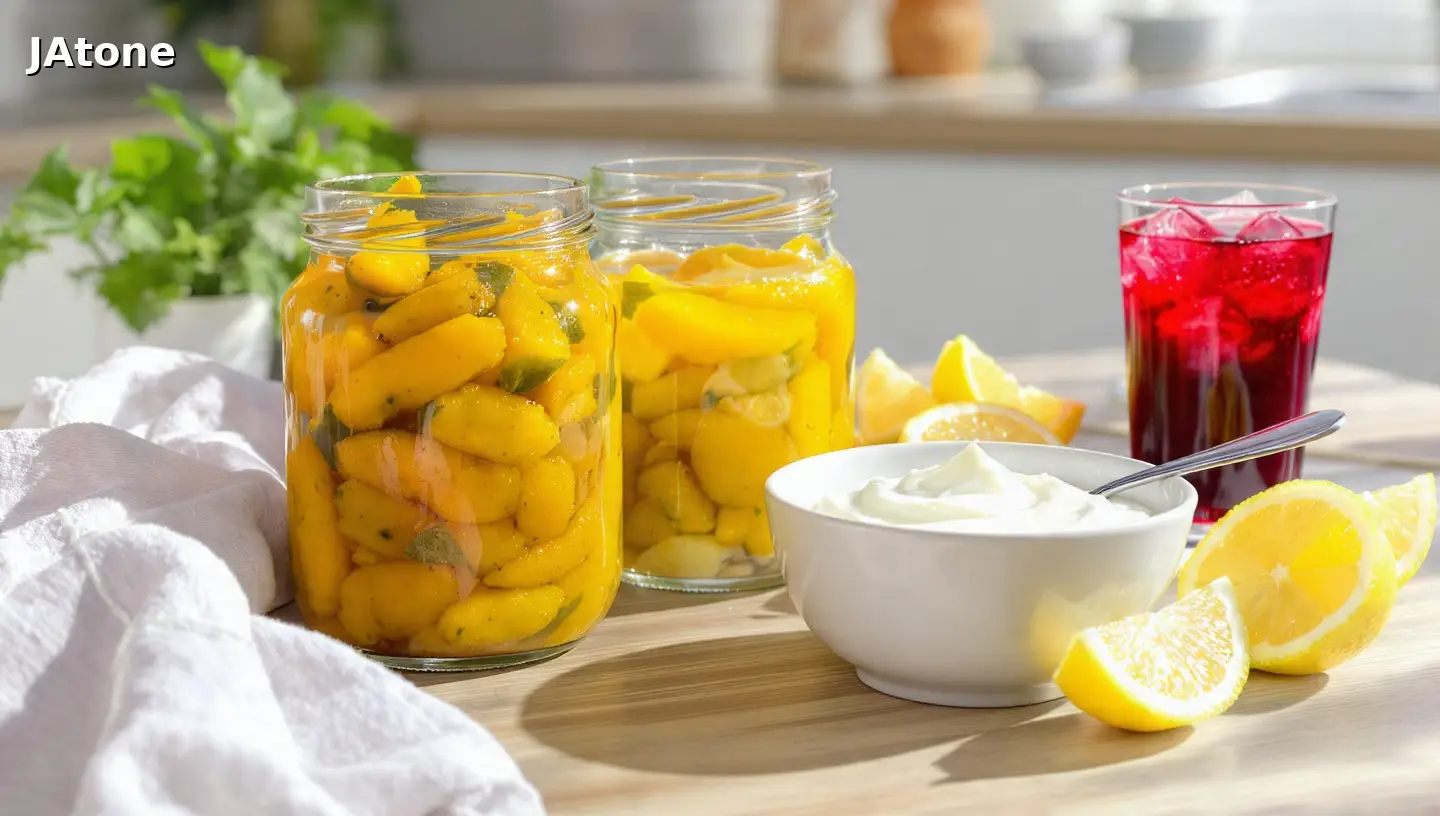
| pH Control | Acids denature microbial enzymes | Vinegar, Kanji |
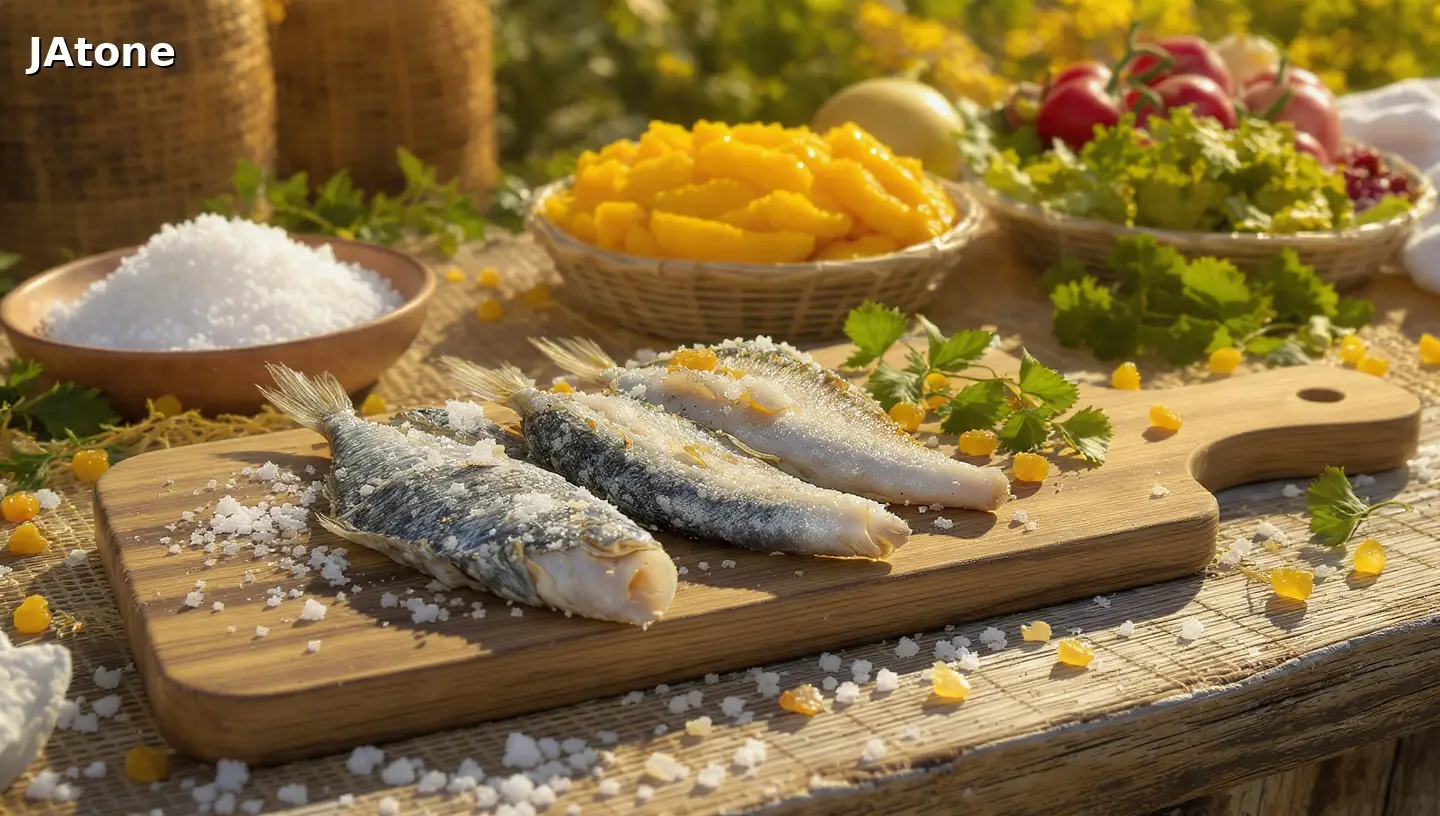
| Water Activity | Salt/sugar binds free water | Salted fish, Dried fruits |
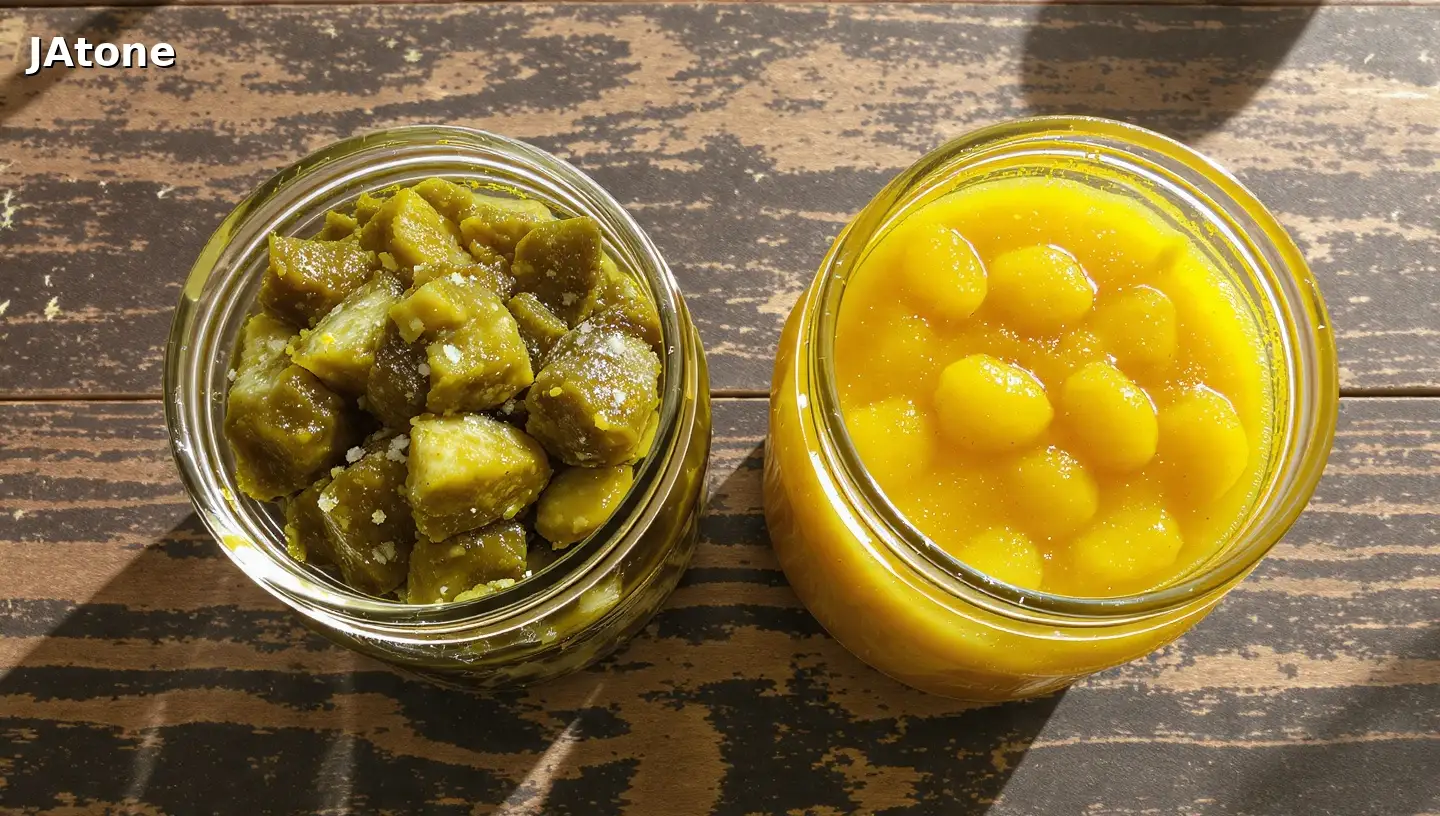
| Osmotic Pressure | Hypertonic environment → plasmolysis of microbes | Pickles, Murabba |
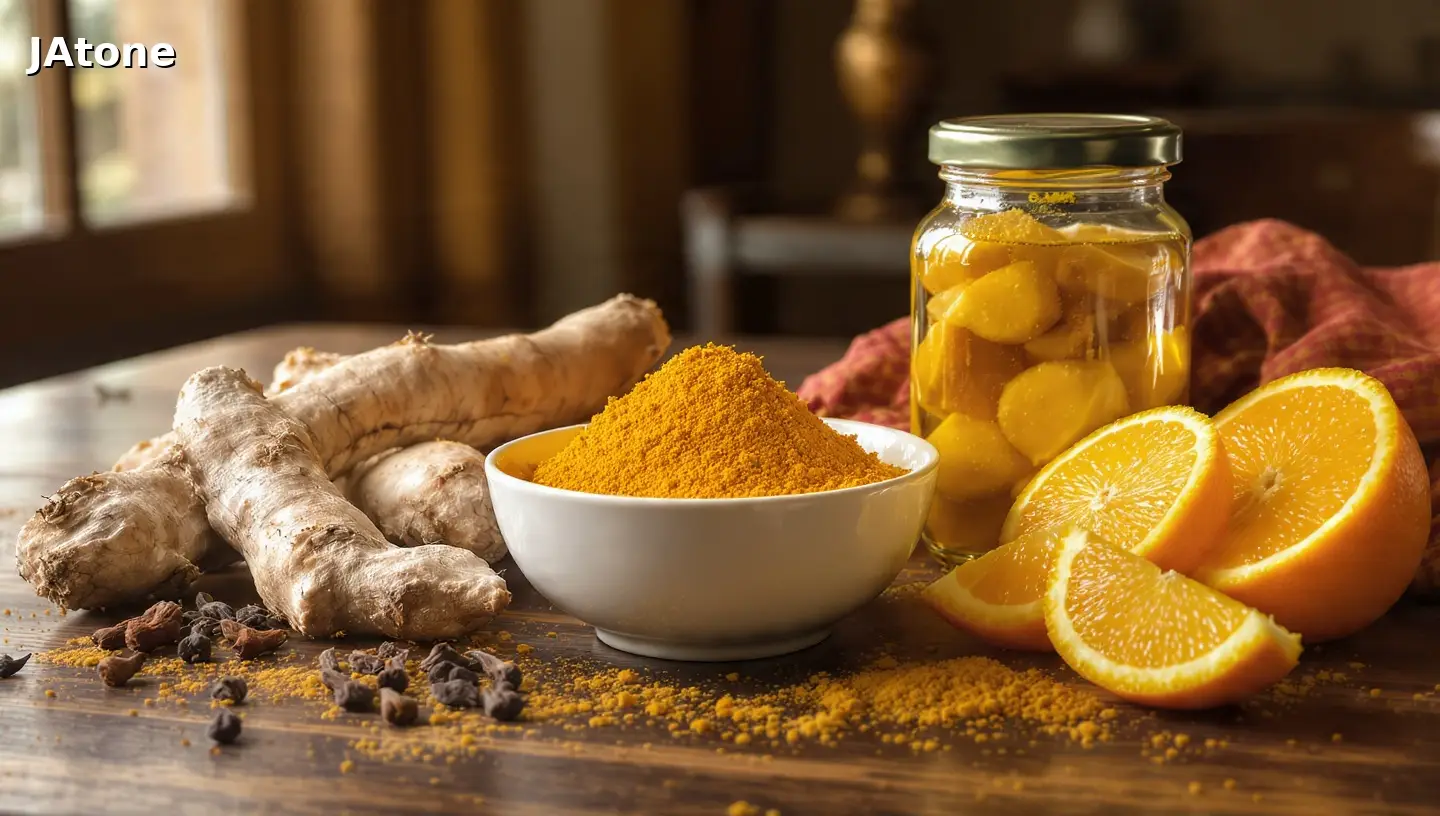
| Oxidation Control | Antioxidants neutralize free radicals | Vitamin C, Turmeric, Oil layer |
| Thermal Inactivation | Heat denatures proteins and enzymes | Pasteurized milk |
| Antimicrobial Compounds | Cell membrane damage / enzyme inhibition | Curcumin, Allicin, Sorbates |
| Oxygen Control | Anaerobic conditions prevent aerobic microbial growth | Vacuum packaging, Oil layer |
4. Conclusion
Food preservation is fundamentally a strategy to deny microorganisms and chemical reactions the conditions they need to operate. By manipulating pH, water availability, osmotic pressure, oxygen levels, and using antimicrobial compounds, we can significantly extend the shelf life of food. Many traditional Indian preservation methods — such as pickling with salt and vinegar, layering oil, and using spices like turmeric and garlic — are grounded in these very chemical principles, even if they were developed empirically long before modern chemistry.
- Acidification (pH control): acids denature microbial enzymes
- Water activity (aᵥ) reduction: salt/sugar binds free water
- Osmotic pressure: hypertonic solution → plasmolysis of microbes
- Antioxidants (e.g., Vitamin C, turmeric) prevent oxidative rancidity
- Thermal inactivation: heat denatures proteins and enzymes
- Antimicrobials: curcumin, allicin, sorbates inhibit microbial growth
- Anaerobic conditions: oil layering, vacuum/MAP packaging
Available Files2
These original educational materials were created by Juber Aktar for JAtone. They are hosted on Google Drive or Google Slides for convenient access. Any future advertising will remain outside this file list and separate from the Preview and Download controls.
About Chemical Principles of Food Preservation — Notes PDF
Chemical Principles of Food Preservation — Notes PDF is a fundamental concept in ancient chemistry. Understanding the mechanisms, reaction conditions, and stereo-chemical outcomes is crucial for mastering organic chemistry. Our curated resources provide step-by-step visualizations to help you excel.
SELF TEST
Practice MCQs
How does adding a high concentration of salt or sugar preserve food?
LEARNING SUPPORT
Chemical
Principles of Food Preservation — Notes PDF FAQ
Microorganisms require free, unbound water to survive, grow, and facilitate enzymatic reactions. By adding salt or sugar, free water is chemically bound, drastically reducing the water activity (aw) and effectively dehydrating the microbes.
Plasmolysis is the shrinking of the cytoplasm away from the cell wall of a microbial cell. This occurs when the cell is placed in a hypertonic environment (like a strong salt brine or sugar syrup), causing water to flow out of the cell via osmosis, which kills or incapacitates the microbe.
Antioxidants (like Vitamin C, or curcumin from turmeric) neutralize free radicals. This prevents the oxidation of fats and oils (which causes rancidity) and protects the food from color degradation and loss of nutritional value.